Blog

  • 6 High-Protein, Low-Sugar Breakfast Ideas

    NEED TO MAKE A HEALTHY BREAKFAST PART OF YOUR ROUTINE?

    Here are 6 high-protein, low-sugar breakfast ideas: 
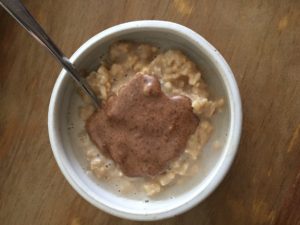
    oatmeal2020may⓵ Oatmeal: 1/2C oats, 2T PB2, 1t maca powder, 1/4C Orgain High-Protein Almond Milk, 1T almond butter.⁠

    380 cal, 20.5g fat, 43g carbs, 18g protein, and only 3g sugar.⁠ ⁠


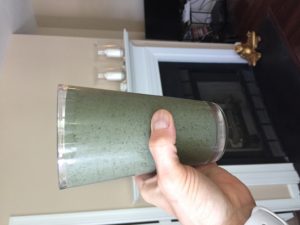
    greensmoothie2020may⓶ Green Smooth: 8 oz water, 1 scoop Sunwarrior Vegan Protein Powder, 2T ultra-fine flax meal, 1T Cacao powder, 1t Spirulina, 1/3C frozen blueberries, about 1C beet green (or kale or spinach), ice.

    228 cal, 4g fat, 17.5g carbs, 26g protein, and only 4g sugar.⁠ ⁠


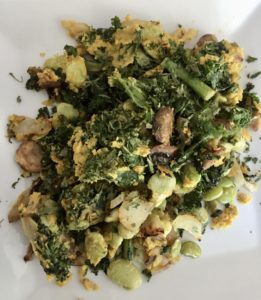
    chickpeascramble31may2020⓷⁠ Chick Pea Scramble: 1/2T olive oil, 1/2 chopped onions, 2C kale, 1/2C frozen lima beans, 1/3C pragmatic slots casino, 1T best casino pools in biloxi, 1/4C boom casino review.

    404 cal, 8g fat, 55g carbs, 24.5g protein, and only 5.5g sugar⁠ ⁠


    https://aliciacrosstraining.com/casino-wonderland-admin-login/


    ⓸ ⁠Chia Pudding: 1/2C Orgain High Protein Almond Milk, 2T Chia seeds, 2T PB2, 1t Maca powder, 2T Cacoa nibs, 1/3C blueberries.

    268 cal, 12g fat, 32g carbs, 16g protein, 8g sugar⁠ ⁠


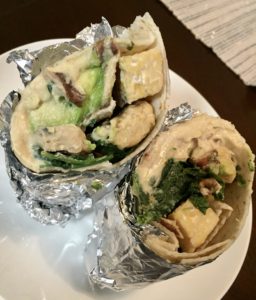
    tempehbreakfastburrito2020jun⓹⁠ Tempeh Breakfast Burrito: GF wrap, 3oz tempeh, 2T hummus, 40oz avocado (or 1/3 of a small avo), some spinach, and mushrooms.

    445 cal, 17g fat, 49g carbs, 26g protein, and only 4.5g sugar.⁠ ⁠


    cashewyogurtbreakfast

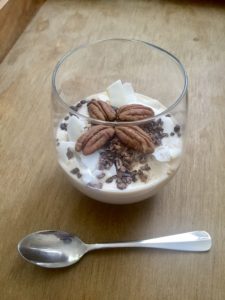
    ⓺⁠ Yogurt: 3/4 C cashew yogurt, 1 scoop Sun Warrior Vanilla Vegan Protein Powder, 1T cacao nibs, 7g unsweetened coconut flakes, 10g pecans, and a sprinkle of ceylon cinnamon.

    393 cal, 29g fat, 17.5g carbs, 23.5g protein, and only 1.5g sugar.⁠


    Related Posts:

    Grocery List

    7 Truths About Weight Loss

    Overcoming Obstacles to Eating Healthy


    Alicia Cross is a Certified Personal Trainer, Accountability Coach, and Yoga Teacher with more than 18 years’ experience working with clients just like you. If you have questions, email Alicia@AliciaCrossTraining.com.


    As an Amazon Associate I earn from qualifying purchases.
     

  • Summer Foods, Exercises, and Routines VIDEO

    Ayurveda is the Science of Living Well. Ayurveda is a natural way to prevent (not cure) disease and increase vitality and longevity with methods such as daily routine, food, exercise, yoga, mediation, herbs, etc. To live an Ayurvedic Lifestyle is to live in balance with your nature (Dosha), the seasons, the time of day, and the season of you life right now.

    We’re entering into Summer, which is the Pitta time of year. Pitta = Fire! It’s time for more cooling routines, exercises, and foods to help you avoid feeling burnt out.

    The ancient wisdom of Ayurveda clearly states that if you do not change your diet, no other intervention you try will be successful. So let’s start there!

    Cooling Foods for Summer: Favor the sweet taste and avoid salty, sour, pungent (spicy), sour (including vinegar and fermented foods). Create a peaceful environment for meal-time.

    Grains to add: rice, cooked oats, tapioca

    Grains to limit or avoid: amaranth, granola, white flour

    Fruit to add: avocado, banana, berries, coconut, dates, figs, melons, oranges, mangos, watermelon

    Fruit to limit or avoid: sour cherries, sour apples, grapefruit, pineapple, cranberries

    Vegetables to add: asparagus, bell peppers, bok choy, kale, broccoli, brussels sprouts, cabbage, cauliflower, corn, green beans, leafy greens, lettuce, mushrooms, zucchini, white or sweet potatoes, cucumber, spaghetti squash

    Vegetables to limit or avoid: onions, tomatoes, eggplant, hot peppers, pumpkin

    Beans to add: all

    Nut & Seeds to add: coconut, sunflower, flax, hemp, pumpkin

    Nuts & Seeds to limit or avoid: almonds, macadamia, pecans, pinenuts, peanuts, cashews, sesame, walnuts, poppy seeds

    Oil & Fat to add: avocado oil, olive oil, coconut oil, grapeseed oil

    Oil & Fat to limit or avoid: peanut oil, sesame seed oil, mustard oil

    Herbs/Spices to add: basil, dill, cilantro, coriander, mint, parsley, turmeric

    Herbs/Spices to limit or avoid: anything hot/spicy, horseradish, garlic, nutmeg

    Limit or avoid: ketchup, pickles, soy sauce, mustard, coffee

    Add: mint tea, smoothies

    Cooling Exercises and Routines

    Yoga: Slow Flow, Yin, Restorative. This is not the season for hot power yoga.

    Pranayama: Alternate Nostril Breathing or Left Nostril Breathing.

    Meditation: Metta (loving kindness), Nidra, meditate on letting go of control, surrender, forgiveness, or being open and receptive.

    Exercise: walking in nature, yoga, swimming, Tai Chi. Whatever you do, don’t over do it and avoid competition.

    Other: surround yourself with cool colors (blue, green, white), listen to calming music, rest so you don’t burn out, laugh and smile more, take cool showers, use rosewater spray, and journal and reflect to get in touch with your emotions.

    If you want to learn more about Ayurveda, check out the book Eat, Taste, Heal.

    Want a printable download of the list of foods to add and avoid this summer? Email me and I’ll send it to you!


    Related Posts:

    Ayurveda: The Science of Living Well

    Vata Balancing Foods, Exercises, and Daily Routines

    Got Stress? 5 Tips to Reduce it


    Alicia Cross is a Certified Personal Trainer, Accountability Coach, and Yoga Teacher with more than 18 years’ experience working with clients just like you. If you have questions, email Alicia@AliciaCrossTraining.com.

    As an Amazon Associate I earn from qualifying purchases.

  • You Don’t Need a Rest Day. You Need Recovery.

    You don’t need a rest day. Instead, make recovery a regular part of your routine. ⁠ ⁠

    Your mind and body thrive on daily movement. Most days of the week this will be a workout (strength or cardio). A couple days per week you need less intensity (like walking, taking Pilates or Barre class, or practicing yoga). But you absolutely need to move for 30-60 minutes every day.⁠ ⁠

    Not even people who’ve just had knee replacement surgery get a rest day — they’re getting exercised that day in the hospital. Athletes don’t take rest days — they go for recover rides or runs, they tamper, and they work at lower intensity to focus on skill or technique. And if you’ve just “pulled” your back, the worst thing you can do is take to the couch. ⁠ ⁠

    If you’re not a competitive athlete, your goals are probably to look good, keep your body feeling good, have more energy, and be healthier. These are not accomplished by training so hard you can’t get off the couch the next day. ⁠ ⁠

    Here’s how to incorporate RECOVERY into your routine:⁠ ⁠

    ・Self-Myofascial Release (SMR) with the foam roller, LAX ball, or other tools. ⁠

    ⁠ ・Stress Management: Stress is both the external stressor (your boss, traffic, the fight with your partner, your workout) and your internal response. You can’t always change the external stressor. The only thing you can control is yourself. Manage stress with meditation, massage, gentle yoga, and any other healthy strategies that work for you. ⁠ ⁠

    ・Lower Intensity Work: mobility work, physical therapy exercises, yoga, Pilates, walking, etc.⁠ ⁠

    ・Hydration and Nutrition: Drink 100oz of water and eat real food consistently every day to give your body what it needs to prepare for and repair after workouts. ⁠ ⁠

    ・Sleep: This is the most important component of recovery. No amount of foam rolling or “rest days” will make up for a lack for sleep. Adult humans need 7.5-9.5 hours every night. The harder your workouts the more sleep you need. The quality and quantity of your sleep needs to dictate the intensity of your workouts. ⁠ ⁠

    Remember: Train hard. Recover harder. ⁠

  • Snacking: Do You Need to Snack?

    Looking at snacking through the lenses of science and Ayurveda.

    The body needs time to digest the meals you’ve eaten. Snacking interrupts this process.

    A good rule from Ayurveda is to fill the stomach 1/2 with food, 1/4 with water, and to leave 1/4 space. This space allows the stomach to work to digest the food. It’s like not overfilling your washing machine or your food processor: There needs to be room to work. If you’re snacking after meals, you could be overfilling the stomach.

    Your body can’t be eating and digesting at the same time. We need time between meals and we also need time between each day’s meals. This is fasting. We are all practicing intermittent fasting when we sleep at night. If you have a habit of late-night snacking, look at how long your eating window is. Your eating window is the time you spend eating. It starts when you eat your first meal of the day, breakfast, and ends with your last meal or snack. Is this longer than 12 hours? If so, you are not giving your body enough time to digest that day’s meals. Limiting your eating time to 12 hours or 10 hours (even if you are eating the same food and the same amount of food) will improve your health markers, including body weight.

    According to Ayurveda, we need a moderate breakfast, our biggest meal at lunch when digestion is strongest, and a light dinner no later than 7p. Meal times needs to consistent from day to day. If your meal times are irregular, this can negatively impact the quantity and quality of your sleep.

    Look at why and when you’re snacking. Are you not eating enough at meal time? Are you bored? Are you dehydrated? Are you eating enough protein, healthy fats, and complex carbs with each meal? Are you crashing after eating processed foods/carbs?

    Logging your food can be helpful. Logging can give you awareness and education around food, serving sizes, and macronutrients. Use the free app My Fitness Pal.

    Find what works and be consistent.

  • How to Get Back on Track

    In the days after going “off the rails,” here are a few things you can do to get back on track again:


    • Drink water/electrolytes before bed the day of, if possible (especially if there was alcohol involved).


    • Get plenty of sleep, even if you have to sleep past your normal wake-up time. The next day get right back on your normal bedtime routine.


    • Don’t weigh yourself the next morning.


    • Drink water or lemon water as soon as you get up.


    • Get moving first thing. Go for a walk, do some gentle yoga or stretching at home.


    • Have your usual coffee or tea. Have a healthy, light breakfast with lots of protein and veggies. Help out your digestive system with ginger tea (or mint tea).


    • Go easy on the salt. Avoid sugar and processed foods/carbs.


    • If you have leftovers from cooking or your host sent you home with leftovers, you don’t have to eat them. Toss them or freeze them for later.


    • If you’ve been out of town and the fridge is empty, go grocery shopping. Buy fresh and pre-cut veggies.


    • Eat light, like salad and soup. But don’t skimp on the protein.


    • Hit the gym for a workout. It doesn’t need to be anything crazy. You don’t have to “burn off” the calories you ate. It doesn’t work like that anyway. You might not have the energy for cardio or an intense bootcamp. Do a strength training workout immediately after the binge day. And the following day do cardio.


    • If it’s safe for you, sit in the sauna after your workout.


    • Continue to drink lots of water. Hit your goal of 100oz daily.


    • Wait a full week before your next treat or cocktail.


  • 7 Truths About Weight Loss

    1. You can’t out-exercise a bad diet.
    Read my blog post by the same name here. A study found that hunter-gathers burn the same amount of calories as sedentary Westerners. But you do need to exercise. More on that later…

    2. It’s not about eating LESS. Most people need more: more protein, more fiber, and more water. See my 10 Steps to Fix You Nutrition here.

    3. You have to monitor. Track your weight, food and water intake, and your exercise. Use an app like My Fitness Pal and your activity tracker. A study showed that people who lost at least 10% of their weight (and kept if off) had these things in common: they checked their weight at least weekly, they exercised at least 60 minutes each day, they spent less than 10 hours per week watching TV, and they followed a portion-controlled, low fat, low calories diet (that included breakfast).

    4. Hormones and stress matter. A calorie is not a calorie. 400 kcal of salad, beans, nuts, seeds, and quinoa will have a very different hormonal response than 400 kcal of cookies and candy. Stress will lead to inflammation and belly fat because of the hormones released. And what kinds of foods to you reach for when you’re stressed?

    Weight loss gets tougher with age, especially for women because of hormonal changes. Menopausal and post-menopausal women are more sensitive to carbs and sugar. Ladies, you can’t keep eating the way you did 20 or 30 years ago and expect to weigh the same. And hormones doesn’t refer to only sex hormones. You have over 50 hormones (chemical messengers) in your body. Vitamin D is actually a hormone. So is insulin. There’s also ghrelin that tells you to eat and leptin that tells you you’ve had enough. If you’re under-slept, this affects ghrelin and leptin. Your body is tired and needs energy, so it prompts you to go scavenge the panty or the break room in search of quick energy foods (ie cookies, donuts, cereal). If you’re under-slept, you’re more likely to be overweight.

    Learn more about hormones and your cycle in Women Code.

    Read more about hormones and your thyroid in The Adrenal Thyroid Revolution.

    You do have to exercise. Cardio helps with weight loss by improving functioning in the part of the brain responsible for planning, impulse control, and working toward a goal. It elevates your mood and helps control blood sugar. Strength training increase lean muscle so you have more storage space for glycogen (which means less carbs get stored as fat) and you’ll burn more calories all day long.

    You’ll be even more inspired to exercise when you read all the amazing benefits it has on mood and hormones in Spark.

    5. You have to clean up internal and external environments.
    Researchers have found that healthy weight people have different gut microbiomes than overweight people. You’ve got to eliminate ultra processed foods and artificial sweeteners and stop eating out of plastic containers and drinking from plastic water bottles. These fake foods and toxic chemicals are destroying your gut bacteria and disrupting your endocrine system (remember hormones?) You need to eat more plant-based, whole foods including fermented foods. While you’re at it, stop using toxic chemicals in your home and on your body, and lay off the anti-bacterial soap.

    And for the hard part: You’ve got to deal with your issues, heal unresolved trauma, and create a positive, growth mindset.

    6. You need support and accountability. You need pros like doctors, naturopaths, counselors, nutritionists, trainers, teachers, and coaches. To need to hire out accountability. Your partner or your friend won’t make a good accountability buddy.

    7. Sustained weight loss requires consistency, patience, and hard work. Fad diets and quick fixes do not lead to long-term success. Habit change is hard. Make small steps that you can maintain. Get actionable steps from Atomic Habits and Better than Before. Nerd out on the science with The Power of Habit.

    As an Amazon Associate I earn from qualifying purchases.

  • Overcoming Obstacles to Eating Healthy

    You know you need to eat healthier to reach your goals. What’s getting in your way?


    Time/Planning:

    You’re busy, working long hours, and grabbing food on the go. Wherever you go (even convenience stores), choose the healthiest options. Instead of chips and soda, opt for water, fruit (fresh if they have it or dried), popcorn, crackers, or pretzels, and nuts or jerky (if you eat meat). Even convenience stores and some drug stores have fresh fruit, veggies and hummus, or fruit and cheese plate. You can find granola bars or protein bars anywhere (not ideal, but better than a lot of options there).

    If you consistently find yourself at these stores for meals or snacks, save yourself time (and money) by buying snacks at the grocery store or ordering them online and shipping them right to work. Stock up on nut butter packs, bars, and single serving packs of crackers, pretzels, trail mix, and nuts. Can you bring a week’s supply of fruit? Do you have access to a refrigerator for perishable foods  like hard boiled eggs (buy them already cooked), single serving containers of hummus or guac, and baby carrots. If you don’t have a fridge, get a lunch bag and ice packs and bring these foods daily. If you work from home, you can also use these tips. Make the healthy stuff convenient and that’s what you’ll eat!

    If you’re going to meal prep, save time by buying pre-cut veggies. Or get a meal delivery service so all you have to do is assemble and cook. If you eat out sometimes, that’s no excuse to go off the rails. Hit the salad bar, pick healthy restaurants, and order the healthiest meal you can.

    Save time and decision fatigue by planning. Start with some recipes. I like to print recipes and keep them organized in folders by type. After I make a recipe, I move it to the back. Next time I open the folder, I grab the recipe on top. If you have too many recipes, clean them out every so often. Just like cleaning out your closet — if you haven’t made it over a year, you’re probably not going to. Pick out a couple of recipes for the week and add the ingredients to your shopping list. Use a sharable app so it’s always with you. Schedule a day to shop for groceries or have them delivered. Schedule a day to cook.


    Snacking/Craving/Sweet-Tooth:

    Snacking is a habit you’ve created and you can replace it with a different, more favorable habit. First, look at the time of day you have cravings, figure out what could be contributing to snacking, and determine what habit you want to start in its place.

    Afternoon snacking: We all experience an afternoon energy lull. Make sure you’re staying hydrated throughout the day, you have a healthy lunch with slow-burning carbs, lots of protein and fiber, and some healthy fat. You’ll also need to be consistent with getting the required 7.5-9.5 hours of sleep every night. You need a snack this time of day, so you might as well pack a healthy snack like fruit and almonds.

    Nighttime snacking: This is a common complaint. As with afternoon cravings, make sure you’re hydrated, rested, and getting all your macro-nutrients throughout the day. If you know you’ve going to snack anyway, make a healthier snack (like a protein smoothie).  Start an evening ritual of cleaning up the kitchen, turning off the lights, and brushing your teeth after dinner. If you tend to eat while watching TV, instead go for a walk or read and have tea. ProTip: buy the foods you want to eat and stop buying the junk you don’t want to eat. If there are other adults in the house who still eat junk food, ask them put it up on a high shelf in the pantry or way in the back of the freezer. Out of sight really is out of mind.


    Boredom:

    If you’ve gotten into a rut and you’re tired of eating the same foods all the time, you can add variety while staying healthy.

    Eat seasonally. Just like you change up your wardrobe and home décor with the seasons, change up your diet. Use Ayurvedic recipes for inspiration. The Doshas coordinate with the seasons. In the Fall, search for Vata foods/recipes. In late Winter/early Spring, look for Kapha foods/recipes. And in Summer, search for Pitta-cooling foods/recipes.

    Join a co-op and experiment with new produce.

    Follow foodies on social and subscribe to their blogs. But don’t just like and keep scrolling,  print that recipe and try it!

    Get a meal delivery service to get exposed to different foods, recipes, and spices.


    No Control:

    Establish your identity. Right now, you see yourself as having no control. Maybe you eat whatever junk is in the break room. Or you’ll get take-out anytime your colleagues ask. What if you changed your identify to someone who eats healthy or who doesn’t eat _______. You will not be tempted by things that don’t align with your vision of yourself. And other people will get the message and stop offer you foods they know you don’t eat.


    Don’t know how to cook:

    You can learn! Everything you know how to do now, you learned on your own or someone taught you.

    Teach yourself. There are millions of FREE videos on literally everything online right now.

    Attend cooking classes.

    Hire someone to come to your house and teach you how to cook.

    Partner up with a friend who needs some accountability and cook together.


    Pressure from friends/family:

    Food is more than sustenance that keeps ups alive. It’s also social, cultural, and emotional. When going to an event, like holiday dinners, manage expectations in advance. Tell your family what you’re eating or not eating and offer to bring something that aligns with your decision and that everyone can enjoy.

    Prepare with “if, then” planning. If someone is pressuring you, then you will _____.

    Keep it positive in your words and attitude. Instead of saying “I’m not eating turkey” or “I don’t eat dessert,” say “I’m having these veggie burgers I made” and “I’ll have fresh fruit for dessert.”

    Recruit an ally. Ask your partner to chime in with something positive when the pressure is on, like “That fruit salad looks great, I’ll have some too please.”

    Establish clear boundaries for yourself. Limit exposure to toxic people as much as possible. If that’s not an option, do some inner work well in advance to establish healthy boundaries internally. Remember, no one has the power to make you feel or do anything. And you have power to be a positive influence as they do to be a negative influence. Social contagions work both ways!

    Be an inspiration. No need to argue, debate, or try to change anyone. Be a happy, healthy, positive example. That’s the best thing can do for your well-being (physically and emotionally) and for the world!


  • 5 Steps to Solve Any Problem VIDEO

    Do you have a problem you need to solve? Grab your journal and follow these 5 steps: O.S.C.A.R. ⁠
    ⁠
    1. Outcome: What’s the problem? What’s your goal (short-term, long-term, and stretch)? What does success look like? Be specific.⁠
    ⁠
    2. Situation: Why is this an issue for you? How is this problem impacting other aspects of your life, other people, and your most important values? What emotions are associated with this problem?⁠
    ⁠
    3. Choices: Brainstorm on all possible solutions and options. Don’t hold back. What have you tried in the past? What has worked before? ⁠What do you need to start or stop doing?
    ⁠
    4. Actions: What steps are you committing to from the above list? Be specific: who, what, when, and where. ⁠
    ⁠
    5. Review: Try it and see if it works. If not, return to step 3. You’ll need self-monitoring, like checking weight and body fat, before and during photos, logging/tracking (food, exercise, water, sleep, mood, medication, etc). And you’ll outer accountability. It’s best to hire this out: Accountability buddies can let you down and you partner/family are too close to really provide you with the accountability you need.  ⁠

    Have you heard of the Big 5 Personality Test? One of them, more than the other 4 combined, is the biggest predictor of health and weight in the future. If you score low on Conscientiousness (meaning you’re not well-organized, you’re too easy going, and you don’t persevere in the face of challenge), you’ll need more hands-on assistance when it comes to monitoring.
    ⁠
    Remember, you are the expert in your life.⁠

    Bonus:

    • Don’t forget “if-then” planning or W.O.O.P. (Wish, Outcome, Obstacle, Plan). Plan for what could/will go wrong.
    • 5 Habit Cues: time, location, preceding event, emotions, other people. You need to schedule your new habits like booking a class or a training appointment. You need to go to a location that doesn’t have other associations (like going to a co-working space to work, or to the gym to workout rather than trying to do those things at home where chores, watching TV, and eating also happen). You can pair habits (for example, meditating while your coffee is brewing). Manage your emotions with daily meditation and by pausing for 10 seconds in the moment of a craving. And surround yourself with supportive, like-minded people.
    • Use habit stacking/pairing, convenience vs inconvenience, and rewards and treats. Pair existing habits with new habits (like making coffee and meditating). Put the junk food away in the pantry and buy pre-cut veggies. Give yourself a healthy reward at the end of a great week. And front-load your energy by giving yourself healthy treats that you don’t have to earn.
  • Vata Balancing Foods, Exercises, and Daily Routines VIDEO

    Ayurveda is the Science of Life. It’s the sister-science to Yoga. Ayurveda is based on the 3 Doshas: Vata, Pitta, and Kapha. We each have all 3 Doshas within us. At the time of our birth, one Dosha will be predominant. Throughout our life we can become dominant in a different Dosha. We say that a Dosha is our constitution or our type. But a Dosha is really a fault. It’s like your weak link. If something is going to go wrong for you, your Dosha is where it’s going to happen. It’s important to know which Dosha is out of balance right now and address that first and then live in accordance with your birth constitution.

    Things that can impact your current Dosha: your experiences, your age, the seasons, etc. The seasons align with the Doshas. Late Winter and Spring is Kapha. Summer is Pitta. And Fall and early winter is Vata.

    The element of Vata is air and its qualities are dry, cold, and rough. That is the Fall season! Even if you don’t know your Dosha, make changes with the current season to help stay balanced. If your Dosha is Vata, this season will be especially disruptive for you.

    Signs of high Vata: craving warm foods or clothing, constipation, gas, bloating, fatigue, feeling burnt out, fear, anxiety, insecurity, insomnia, joint issues, cracking joints, arthritis, low back pain, dry skin, restlessness, disorganized, spacey, forgetful, impatient, procrastination.

    Vata-Pacifying

    Consistent daily routine or dinacharya:
    • Up by 6a
    • Drink water with lemon
    • Brush teeth and scrape tongue. Don’t forget to check your tongue before your scrape it. A healthy tongue is pink without a thick coating, lines, or cracks.
    • Self-massage (If you love it, oil it!) Sesame seed oil is a good warming oil for the fall. Almond oil is a neutral oil that can be used all year.
    • Bathe/shower
    • Exercise/yoga
    • Pranayama
    • Meditation
    • Breakfast by 8a
    • Lunch between 11a-1p
    • Light dinner no later than 7p
    • Asleep by 10p

    Foods:
    • Favor sweet, salty, sour, and fermented foods and heavy, moist, warm foods.
    • Limit bitter, pungent (spicy), and astringent foods.
    • Avoid eating when you feel nervous, anxious, on the run, or while working.
    • Sit down, slow down, be present with your foods
    • Eat 3-4 meals at the same time everyday (8a, 11a-1p, 4p, and 7p)

    For the full list of Vata balancing foods, email me and request the list!

    Yoga:
    Slow and steady. Work to the point of a mild sweat. Favor a slow flow over a vigorous vinyasa. Include hip openers, spinal movements, seated poses, and avoid over stretching. Choose gentle, grounding back bends like sphinx, locus, and cobra. Build strength and stability with standing poses. Skip balance poses and “jump backs.” Ground yourself with restorative poses, like legs up the wall, child’s pose, seated forward fold, reclining twists and a long 20-min savasana or Nidra.

    Pranayama:
    Longer exhalations with a slight pause at the bottom. Ujjayi pranayama. Grounding breath. Right nostril breathing in the morning. Left nostril breathing at night.

    Meditation:
    Body scan. Root chakra balancing. Visualize nature or a mountain. Avoid “mind-emptying” meditations. Visualize warm colors like gold or orange. Affirmations for peace or fearlessness. Listen to nature sounds.

    Exercise:
    Gentle exercise, like swimming, Tai Chi, Yoga, and walking.

    What else:
    Laughing and smiling more, listing to calming music, steam room, lavender essential oil.

    Remember Vata needs consistency. Vata is aggravated by overwork, excessive travel, cold, wind, and stress.

    Positive Qualities of Balanced Vata:
    Artistic, creative, spiritual, adaptable, intuitive, perceptive, imaginative, charismatic, enthusiastic, spontaneous, sensitive to other’s energies.


    As an Amazon Associate I earn from qualifying purchases.

  • Kitchari Recipe

    IMG_8275


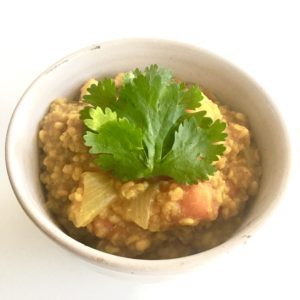
    Kitchari can be eaten as an Ayurvedic cleanse. This porridge-like mix of rice, beans, and vegetables is easy to digest, giving your digestive system a break.  


    Ingredients:

    1 cup white basmati rice

    1 cup yellow split mung beans (soaked overnight)

    6 cups water or broth

    3 Tbsp Olive Oil

    2 Tbsp fresh grated ginger

    3-4 tsp cumin

    3-4 tsp coriander

    3-4 tsp turmeric

    1-2 tsp asafetida (hing)

    Optional vegetables of your choice*

    Salt and pepper to taste

    Fresh cilantro


    Directions:

    1. In a large pot, heat olive oil and spices.
    2. Add water or broth and bring to a boil.
    3. Add rice and beans. Reduce heat and simmer until water is mostly absorbed and kitchari is the consistency of porridge (about 30-45 min).
    4. Firmer vegetables, like carrots, need to be added early. Softer vegetables, like peas or spinach, can be added closer to the end of cooking.
    5. Serve topped with fresh cilantro.


    *Choose vegetables recommended for the season or to balance your Dosha. Don’t know your dosha? Take the quiz here.


    As an Amazon Associate I earn from qualifying purchases.