Blog

  • Ayurveda: The Science of Living Well

    What is Ayurveda?

    yogatree-2Ayurveda is the sister science of yoga. Ayu meaning life and Veda meaning truth, knowledge, or science. It’s a 5000-year-old method of preventing disease and increasing vitality and longevity naturally with diet, herbs, exercise, yoga, and meditation. Ayurveda is becoming more popular here in the West as more people are discovering the healing benefits of Yoga and are looking for ways to live a healthy lifestyle. According to Ayurveda, the foundation of health is diet and routine.


    Ayurveda emphasizes diet as the most important aspect of health and healing. No other modality will be effective if you’re not following the proper diet. Know your constitution or dosha (take this quiz to find yours) and eat foods that pacify rather than aggravate your dosha. The right diet is the best medicine. Ayurveda states that “we are what we digest.” Many Ayurvedic practices are designed to strengthen the digestive system to avoid the build-up of ama or toxins from undigested foods.


    Along with right diet, it’s important to follow a consistent daily routine or dinacharya:

    • Awake by 6am
    • Drink warm water with lemon to stimulate the digestive system
    • Brush teeth and scrape tongue
    • Self-massage with oil (coconut in the Summer, sesame seed in the Fall, and mustard seed in the Winter)
    • Bathe/Shower
    • Exercise/Yoga
    • Pranayama (Breath Practice)
    • Meditation
    • Breakfast by 8am
    • Lunch (your biggest meal) between 11am and 1pm when the digestive system is strongest
    • A light dinner no later than 7pm
    • Asleep by 10pm


    Your diet and daily routine will be influence by the current season. Ritucharya, or seasonal regimen, aligns us with the rhythms of nature. For each season, there are specific foods, styles of yoga, types of exercise, herbs, oils, and activities that will either pacify or aggravate the doshas:

    • In Winter and Spring (December-May), pacify Kapha
    • In Summer (June-October), pacify Pitta
    • In Fall (October-Dec), pacify Vata


    The Ayurvedic practices of healthy diet and routine (dinacharya and ritucharya) keep your mind and body in balance. If you want to lose excess weight, have more energy, get sick less often, and look and feel more vibrant, youthful, and energetic, start living an Ayurvedic lifestyle. You can read more about it in Eat, Taste, Heal or email me to get started with Wellness Coaching. You’ll get the information and the accountability you need to make lasting changes that will make a positive difference in your life.


    Alicia Cross is a Certified Personal Trainer, Wellness Coach, and Yoga Instructor with more than 17 years’ experience working with clients in classes and one-to-one.  She is a yogi, meditator, vegan, and lifter of heavy things. If you’re ready to discover the strength and peace that comes from within, email https://aliciacrosstraining.com/wind-creek-bethlehem-online-casino/.


    Related Posts:

    best casino to stay at in las vegas

    https://aliciacrosstraining.com/everygame-casino-no-deposit-bonus/
    casino near st augustine fl


  • Training Variables: The Recipe for Success

    In training, a program is like a recipe and training variables are the ingredients. Just as following a recipe will make a great meal in the kitchen, following a training program will deliver the results you want at the gym.


    Exercise Selection Know your WHY.

    What’s your goal? Are you working out for weight loss, weight gain, pain reduction, stress management? Choose the right exercises for your goal. If, for example, you want to improve your upper body posture or alleviate shoulder pain, you’ll prioritize back strengthening over bench press. If your goal is a 300lb deadlift, you’ll spend most of your time practicing heavy deadlifts. And contrary to what you might have been told, the best type of exercise for weight loss is not cardiorespiratory training.


    Intensity How hard are you working?

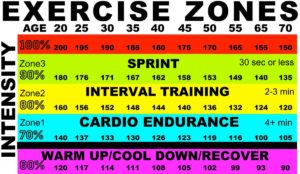
    HEART-RATE-ZONESchartIntensity is the effort, usually a percentage, based on your maximum. For cardiorespiratory training, intensity is a percentage of your maximum heart rate. Estimate your maximum heart rate with the formula 220 minus your age.


    For strength training, intensity is a percentage of your one repetition maximum (1RM). If you don’t know or don’t have a 1RM, you can predict it with this calculator.


    Work at the intensity that supports your goal. Intensity and volume have an inverse relationship: the harder you work, the less you do and vice versa.


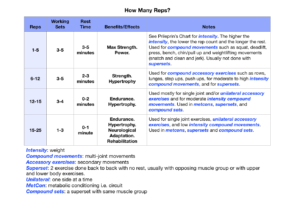
    Volume How many reps?

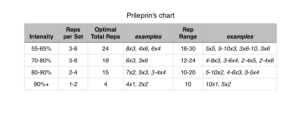
    Prileprin's ChartVolume is the total number of repetitions performed. Prileprin’s Chart can provide a guideline for optimal volume at a given intensity.


    Like intensity, volume will be determined by your goals.

    howmanyreps


    Order First things first.

    Go from complex to simple. Start with weightlifting (snatch and clean and jerk) and power lifting movements (squat, deadlift, bench). Then move on to other compound (multi-joint) exercises such as pull ups, rows, overhead presses, step ups, and lunges. Finish up with core and single joint movements such as bicep curls, or calf raises. For strength, weight loss, and general fitness goals, do weights before cardio.


    Tempo Need for Speed

    There are three phases to a movement: concentric, isometric, and eccentric. During the concentric phase, the muscles are shortening. This is the lifting phase. During the isometric phase, there is no movement. This is the pause at the completion of the lift. During the eccentric phase, the muscles are lengthening against the resistance. This is the negative phase. For most movements, there is a quick concentric lift, a one-count isometric hold, and a slow negative or eccentric phase. This does not apply to heavy deadlifts: there’s no eccentric on a heavy deadlift. Drop that heavy weight and make a lot of noise when you do it.

    You can manipulate this variable by adding pauses, speeding up, or slowing down any of the phases. For example, add a 3-count pause in the bottom of a squat or at the knee in the first pull of a snatch or clean. Pauses have a specific purpose, such as reinforcing a position that needs improvement.


    Frequency & Duration How long and how often?

    For emotional and physical well-being, move every day, but don’t overdo it. Unless you’re a competitive athlete, 30 to 90 minutes maximum is all you need. For the average fitness enthusiast, training two plus hours/day increases your risk for burnout and overtraining. Based on studies, here’s what you need for health improvements:

    • 30-minute Strength Training 2x/week
    • 30-minute HIIT (High Intensity Interval Training) 1x/week
    • 30-minute Moderate Intensity Steady State Cardio 1-2x/week
    • 60-minute Moderate Intensity Cardio 1x/week (could be something fun like tennis or Zumba)
    • Yoga 2x/week


    Rest & Recovery Train hard, rest harder.

    Rest is an important part of your training. For endurance training, rest during the workout will be minimal or non-existent as in Steady State cardio. Endurance (a.k.a conditioning) can also be improved with metcons (Metabolic Conditioning). Metcons are short, intense circuits of body weight and/or compound movements (like burpees, box jumps, kettlebell swings, and squats) done with little or no rest.

    For Srength training and Interval cardio training (such as sprints), you’ll rest between sets/sprints to allow the ATP (energy in your cells) to replenish.

    Training is digging a hole. Recovery is filling it back up.

    Recovery between workouts and cycles is super important to avoid hitting a plateau, burning out, and getting injured. Recovery is not, however, sitting on the couch binge watching TV and eating pizza. Recovery is going for a walk, practicing yoga, foam rolling, getting a massage, etc. It’s an active part of your training program that keeps you progressing toward your goals safely and happily.


    Exercise Selection, Intensity, Volume, Order, Tempo, Frequency & Duration, and Rest & Recovery are the basic components of programming. Understanding the effects of manipulating each variable and their interdependent relationships are crucial to  designing a successful program that will help you reach your goals.

    Get the right recipe for your success. Email me about programming!

    Alicia Cross is a Certified Personal Trainer, Wellness Coach, and Yoga Instructor with more than 17 years’ experience working with clients in classes and one-to-one.  She is a yogi, meditator, vegan, and lifter of heavy things. If you’re ready to discover the strength and peace that comes from within, email https://aliciacrosstraining.com/wind-creek-bethlehem-online-casino/.

    Related Posts:

    Are You Training for Health, Fitness, or Performance?

    The 5 Biggest Mistakes You’re Making at the Gym

    What is Fitness? Part 3: Strength

    What is Fitness? Part 1: Cardio


  • DIY Skin Care Recipes

    Check out these DIY recipes for Lip Balm, Toner, Deodorant, Foaming Face Wash, Shower Gel, Foaming Hand Soap, Toothpaste, Dry Shampoo, Rejuvenating Facial Serum, Salt Scrub, Baby Powder for Grown-Ups, Mouthwash, Aftershave for Men, and Beard Balm.

    Lip Balm

    2 tsp shea butter

    ¼ tsp coconut oil (food grade)

    4 drops peppermint essential oil

    Melt shea butter and coconut oil in a double boiler or in glass bowl in microwave. Stir in essential oil and pour into 2 small jars.

    Toner

    1½ Tbsp alcohol-free witch hazel

    1 Tbsp aloe vera

    4 drops lavender essential oil

    3 drops juniper berry essential oil

    1 drop cypress essential oil

    Add all ingredients to a 2oz glass fine mist spray bottle.

    Deodorant

    3 Tbsp coconut oil

    3 T shea butter

    5 Tbsp baking soda

    5 Tbsp cornstarch or arrowroot powder

    3 Tbsp Diatomaceous Earth

    28 drops cedarwood essential oil

    22 drops clary sage essential oil

    22 drops lavender essential oil

    16 drops patchouli essential oil

    Melt coconut oil and shea butter in a double boiler or in a glass bowl in the microwave. Stir in baking soda, cornstarch (or arrowroot), D.E., and essential oils. It should be the consistency of frosting so you can use your fingers to apply it.  Once it cools to room temperature, if it’s too runny, add more D.E., baking soda, and/or cornstarch (or arrowroot). If it’s too solid, add melted coconut oil. Keep it a mason jar and small jar for travel or gym bag.

    Foaming Face Wash

    ¼ cup unscented castile soap

    1 cup water

    10 drops lavender essential oil

    5 drops melaleuca (tea tree) essential oil

    Add all ingredients to Foaming Soap Pump. Add some to a Mini Foaming Soap Pump for your travel bag.

    Shower Gel

    ½ cup unscented castile soap

    ¼ cup vegetable glycerin

    10 drops ginger essential oil

    7 drops orange essential oil

    OR

    6 drops bergamot essential oil

    4 drops lavender essential oil

    2 drops patchouli essential oil

    OR

    12-20 drops of any oils you like

    Add all ingredients to a soap pump (not foaming) or travel container.

    Foaming Hand Soap

    ¼ cup unscented castile soap

    1 cup water

    15 drops lavender essential oil

    5 drops peppermint essential oil

    5 drops melaleuca (tea tree) essential oil

    Add all ingredients to a Foaming Soap Pump.

    Toothpaste

    7 Tbsp baking soda

    ½ cup coconut oil (food grade)

    20-30 drops ConcenTrace Trace Mineral Drops

    35 drops peppermint essential oil

    Mix all ingredients in a mason jar or small jar for travel.

    Dry Shampoo

    ½ cup cornstarch or arrowroot powder

    2 Tbsp cacao powder (for dark hair)

    10 drops lemon essential oil

    8 drops rosemary essential oil

    8 drops peppermint essential oil

    Mix all ingredients in a bowl and funnel into a spice jar.

    Rejuvenating Facial Serum

    1 Tbsp rosehip oil

    1 Tbsp tamanu oil

    1 drop geranium essential oil

    2 drops lavender essential oil

    2 drops frankincense essential oil

    2 drops cypress essential oil

    Add all ingredients to a glass dropper bottle.

    Salt Scrub

    ½ cup fine Himalayan salt

    1 Tbsp fractionated coconut oil

    5 drops lavender essential oil

    5 drops bergamot essential oil

    3 drops peppermint essential oil

    Mix all ingredients in a mason jar.

    Baby Powder for Grown-Ups

    ½ cup cornstarch or arrowroot powder

    6 drops lavender essential oil

    4 drops ylang ylang essential oil

    2 drops chamomile essential oil

    Mix all ingredients in a bowl and funnel into a spice jar.

    Mouthwash

    ¾ cup water

    ¼ c vodka

    20 drops spearmint essential oil

    Add all ingredients to a mason jar.

    Aftershave for Men

    ¼ cup alcohol-free witch hazel

    ½ Tbsp aloe vera

    2 drops chamomile essential oil

    6 drops lavender essential oil

    2 drops sandalwood essential oil

    4 drops clary sage essential oil

    Add all ingredients to a glass bottle.

    Beard Balm

    ½ tsp coconut oil

    ½ tsp beeswax

    ¼ tsp shea butter

    2 drops bergamot essential oil

    2 drops frankincense essential oil

    2 drops melaleuca (tea tree) essential oil

    3 drops eucalyptus essential oil

    Melt coconut oil, beeswax, and shea butter in a double boiler or in a glass bowl in the microwave. Stir in essential oils and pour into small jar.


    Alicia Cross is a Certified Personal Trainer, Wellness Coach, and Yoga Instructor with more than 17 years’ experience working with clients in classes and one-to-one.  She is a yogi, meditator, vegan, and lifter of heavy things. If you’re ready to discover the strength and peace that comes from within, email https://aliciacrosstraining.com/wind-creek-bethlehem-online-casino/.


    Related Post:

    Skin Care Products

  • My Favorite Yoga Gear

    Are you starting a yoga practice or looking to upgrade your gear? Here are some of my favorites:

    Manduka Pro Yoga Mat is worth every penny. I’ve had mine for over 10 years and it’s in great shape. It’s so thick, you’ll never need extra padding under your knees in all four pose or kneeling lunge.

    If you travel, get the Manduka Superlite Travel Mat. It folds flat for easy packing. I take mine to Yoga conferences as we’re usually on carpet and I don’t need the padding of my Manduka Pro.

    If you really want to be fancy, get some cork blocks.

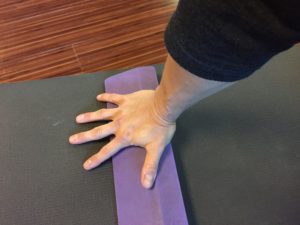
    yogawedge1Wrists bothering you in all the planks and chararungas? Check out this post on wrists and this one for exercises and stretches you’ll need to do. And you can try this wedge under your hands to take the pressure off your writs.


    IMG_4238You’ll need a spacious bag to carry all your new props to yoga class! The Yogiii Mat Bag is amazing: It holds my heavy Manduka mat and all my props. There’s also a little pocket that’s perfect for your keys, phone, strap, and eye pillow.


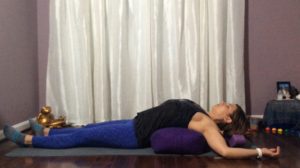
    chestexpansionwithbolsterIf you have fallen in love with Restorative or Yin Yoga, you’ll want a bolster for your at-home practice. This also makes a perfect seat for your morning meditation.


    Need help getting started or committing to a yoga or meditation routine? I can help! Attend my classes and workshops. And no matter where you’re at in the world, I can help keep you motivated and accountable for any new healthy habit with Wellness Coaching.

    Alicia Cross is a Certified Personal Trainer, Wellness Coach, and Yoga Instructor with more than 17 years’ experience working with clients in classes and one-to-one.  She is a yogi, meditator, vegan, and lifter of heavy things. If you’re ready to discover the strength and peace that comes from within, email https://aliciacrosstraining.com/wind-creek-bethlehem-online-casino/.


    As an Amazon Associate I earn from qualifying purchases.

  • Yoga is NOT a Workout

    childspose2I see too many yoga students approaching their practice the same way they approach a workout. They push too hard, they breath too hard, they want to feel the ‘burn.’  But Yoga is NOT a workout. The big difference between a workout and a yoga practice lies in the nervous system, which has two halves: voluntary and autonomic. The autonomic nervous system controls basic functions like heartrate, breathing, blood pressure, and digestion. The autonomic nervous system also has two halves: sympathetic (known as fight or flight) and its complement, parasympathetic (often called rest and restore).

    When you’re at the gym or out for a run, you’re in a sympathetic state (fight or flight): your heartrate, blood pressure, and rate of breathing are increased. That’s right, exercise is stress. But it’s good stress if you don’t overdo it. Is there such a thing as good stress? Stress and its partner in crime, cortisol (nicknamed the stress hormone), get a bad rap. Without cortisol, you wouldn’t be able to get out of bed in the morning, meet deadlines, learn new skills and concepts, or respond to life’s challenges. Think of exercise as a vaccine; It’s a little dose of something potentially harmful that will protect you from something really dangerous in the future.

    So if a little bit of stress isn’t bad, what is the problem? The real problem is chronic stress. If you never give yourself a break, stress will wreak havoc on your health and well-being. Chronic stress ages you, weakens your immune system, disrupts your sleep, makes you more susceptible to illness and injury, zaps your energy, contributes to belly fat, and causes muscle tension, pain, and headaches. The nervous system needs a break from chronic stress. And that’s where yoga comes in. If you are instead treating yoga as workout, the practice becomes one more stressful demand you’re piling on to your nervous system.

    Yoga can be the tonic to the stress of life, work, and working out if you remain in the parasympathetic nervous system during the practice. Parasympathetic (a.k.a. rest and restore) is the complement to fight or flight. This means no huffing and puffing, no holding the breath, no straining, and absolutely no grunting in yoga. Stay relaxed and keep breathing through the nose to receive the healing benefits of yoga. You can really manage stress by choosing classes such as Yin Yoga or Restorative Yoga. If you find yourself in a challenging class, remember you can always modify and rest as needed. We yoga instructors really do mean it when we say you can come into child’s pose at any time.

    Are you practicing Saucha by keeping your workout and yoga practice separate?

    Alicia Cross is a Certified Personal Trainer, Wellness Coach, and Yoga Instructor with more than 15 years’ experience working with clients in classes and one-on-one.  She is a yogi, meditator, vegan, and lifter of heavy things. If you’re ready to discover the strength and peace that comes from within, email https://aliciacrosstraining.com/wind-creek-bethlehem-online-casino/.

    Related Posts:

    The Pose That’s Right For You

    6 Yoga Poses for Your Back


  • The Four Pillars of Wellness

    What is wellness?


    balance-macro-ocean-235990Wellness is a conscious, self-directed and evolving process of achieving full potential. Wellness is multidimensional and holistic, encompassing lifestyle, mental, and spiritual well-being, and the environment. Wellness is positive and affirming. Wellness is an active process through which people become aware of, and make choices toward, a more successful existence.

    National Wellness Institute

    Health vs. Wellness

    Health is the absence of illness or injury. But why stop there? Do you want to survive or to thrive in this lifetime? You thrive by reaching your fullest potential in all Four Pillars of Wellness. You thrive by setting clear goals and by making choices that you lead you closer to your definition of success.


    The Four Pillars of Wellness:
    1. Physical: The health of your body, your level of fitness, and also your environment. Your physical health is the foundation that success and happiness are built upon. Spaces such as your home, car, and office are both a reflection of and influencer on your inner state. Are you maintaining your health, challenging body, and organizing the spaces where you spend your time? If you want to make changes in your life and don’t know where to begin, start by improving your health and decluttering your space.


    1. Social/Emotional: Your mindset, relationships, self-confidence, empathy, and compassion. Empathy and self-awareness are the backbone of emotional intelligence. Are you nurturing your relationships with others and your most important relationship – the one with yourself? If you want to experience greater happiness and more fulfilling relationships, start by noticing your thoughts and your self-talk. Get quiet and cultivate greater awareness with practices such as meditation and journaling.


    1. Intellectual: Your intelligence and your cognitive ability. This doesn’t have to wither with age. Keeping the body healthy and maintaining social connections helps preserve the mind. It’s all connected! Never stop moving, eating healthy, enjoying life with others, and learning. When was the last time you took on new challenges or learned a new skill? It’s never too late!


    1. Spiritual/Energetic: Beyond the physical realm. There is more to life than meets the eye. Each one of us is on our own journey.

    “There are hundreds of paths up the mountain, all leading to the same place, so it doesn’t matter which path you take. The only person wasting time is the one who runs around the mountain telling everyone that his or her path is wrong.”

    Hindu Proverb


    If you feel like you’re surviving day to day and you want more, reflect on which areas of wellness are lacking in your life and make a plan for improvement. Need guidance on setting goals, help with deciding what steps to take, and some accountability to keep you on track to reaching your fullest potential? Then make the first choice toward a more successful existence and email me to get started with Wellness Coaching!


    Alicia Cross is a Certified Personal Trainer, Wellness Coach, and Yoga Instructor with more than 15 years’ experience working with clients in classes and one-on-one.  She is a yogi, meditator, vegan, and lifter of heavy things. If you’re ready to discover the strength and peace that comes from within, email https://aliciacrosstraining.com/wind-creek-bethlehem-online-casino/.


    Related Posts:

    There is No One Thing

    My 3 Rules for Helping People

    What Drives You? Intrinsic Versus Extrinsic Motivation

  • Fat 101

    What is fat?

    healthyfatsFat is another word for triglycerides. Triglycerides are three fatty acids and a glycerol. They are found in the blood and provide 60% of the body’s energy needs at rest. Most of your organs run on fat in order to spare glucose for the brain.


    Triglycerides are a subcategory of lipids. Lipids are substances that do not dissolve in water. Other lipids are:

    • Fatty acids, including phospholipids which make cell membrane and myelin sheaths.
    • Sterols (steroid and alcohol), which are found in plants and animals. Cholesterol is an animal sterol that cannot be used as energy. It forms cell membranes, is a precursor for bile salts, Vitamin D, and hormones (such as testosterone, estrogen, and cortisol).
    • Wax, like beeswax and ear wax.

    Dietary fats are triglycerides. They are classified as saturated, unsaturated, and hydrogenated or trans-fat.

    Saturated fat gets its name because all of the bonds on the chain are attached to a hydrogen atom. Sources include animal fats, dairy, and coconut oil.

    Unsaturated fats are best for your health.

    • Monounsaturated fats or Omega 9 (Oleic Acid) are nonessential, meaning the body makes them and we do not need to obtain them through diet. Sources include meat, dairy, olive oil, sunflower oil, grapeseed oil, avocados, and nuts (macadamia, almonds, pecans, cashews, pistachio).
    • Polyunsaturated fats are Essential Fatty Acids (EFA’s) which means the body cannot produce them and we must obtain through diet.

    —Omega 3: EPA and DHA from cold-water fish such as salmon, tuna, trout, bass, and sardines, and ALA found in plants (flax, hemp, chia, walnuts). Salmon provided the most benefit with the least amount of mercury. Vegans, vegetarians, and anyone concerned about mercury, can take an Algae Omega supplement and eat ground flax. The ALA from flax along with LA (an Omega 6), can be converted by the body to EPA and then to DHA. Omega 3 fatty acids reduce inflammation, slow age-related cognitive decline, and may protect against dementia and Alzheimer’s. DHA & EPA help reduce blood pressure and blood triglyceride levels. EPA lowers C-Reactive proteins (a marker of inflammation), reduces the risk of heart disease, and may also help with depression. Over 30% of the brain is made of DHA.

    —Omega 6: LA (Linoleic Acid) comes from corn, safflower, and canola oils. Omega 6 fatty acids increase inflammation and can lead to high blood pressure, clots, heart attack, and stroke.

    • Trans-Fat started as unsaturated fat and hydrogen molecules were artificially added (hydrogenated) to saturate or partially saturate the chain. These chains, however, do not have the same shape as naturally occurring saturated fatty acids. Eating trans-fat, hydrogenated fats, or partially hydrogenated fats increases LDL (“bad” cholesterol), lowers HDL (“good” cholesterol), and increases the risk of coronary artery disease.


    Other Benefits of dietary fat:

    • Enables absorption of fat-soluble vitamins (A, D, E, and K) that support the eyes, bones, skin, immunity, and blood clotting.
    • Builds cell membranes and myelin sheaths around nerves.
    • Makes food more flavorful, leading to greater satiety.
    • Fat digests slowly, making you feel fuller longer and avoiding the crash and cravings that come from quickly digested high-glycemic foods such as fruit and processed carbohydrates.
    • With 9 kcal/gram, fat provides the most energy off all the macronutrients.


    How much?

    • The American Heart Association suggests that healthy adults limit dietary fat to no more than 20-35% of total daily calories.
    • While the liver makes 100% of the body’s cholesterol needs, dietary cholesterol is not as bad as we once thought it was. For example, total blood cholesterol levels below 200mg/dL “have been associated with mild to severe cognitive deficit and development of dementia.”1
    • According to the Dietary Guidelines for Americans,saturated fat calories should not exceed 10% of total daily calories. However, a meta-analysis in 2014 found no link between cardiovascular health and the consumption of saturated fat.2
    • There are no standards for the daily amount of Omega 3’s needed. While supplements are generally safe, if you’re taking medication (such as anti-coagulant therapy) or are planning surgery, talk to your doctor.
    • Omega 6 to Omega 3 ratio should be 4:1 for health benefits. Americans, on average, eat a ratio of 20:1 and need less Omega 6 and more Omega 3.
    • No amount of trans-fatty acids or hydrogenated oils is safe.
    • Studies have found that both low-carb and low-fat diets are equally successful for weight loss.3


    Are you getting the right amount of healthy fats every day to support your health and weight loss goals? Email me to get started with Nutrition Coaching and learn how to make simple changes in your diet that will help you look and feel amazing!


    Alicia Cross is a Certified Personal Trainer, Wellness Coach, and Yoga Instructor with more than 15 years’ experience working with clients in classes and one-on-one.  She is a yogi, meditator, vegan, and lifter of heavy things. If you’re ready to discover the strength and peace that comes from within, email https://aliciacrosstraining.com/wind-creek-bethlehem-online-casino/.


    Related Posts:

    Protein 101

    Carbohydrates 101

    Fix Your Nutrition in 10 Steps

  • Skin Care Products: Be As Concerned With What You Put ON Your Body As You Are With What You Put IN Your Body

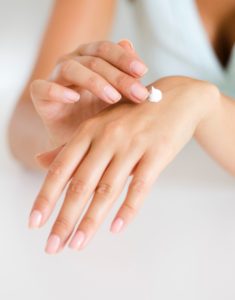
    applyinghandlotionQ: What do you use for skin care products?

    A: I’m as concerned with what I put ON my body as I am with what I put IN my body. I buy only products that are free of phthalates, sodium lauryl sulfate, and parabens. As with food, I buy organic whenever possible. I look for cruelty free on the label, and not just because I’m vegan. My philosophy is that the reason companies need to do animal testing is because they are using harmful ingredients and they need to find out just how much damage they’ll do. The testing isn’t even assurance that the products are safe. There are many ingredients that have been banned in other countries and are still sold here in the U.S., which means they were tested and approved even though they are dangerous.

    Here are the products I use daily:

    • Almond Oil is so versatile: I use it as an in-shower moisturizer, for shaving, and to remove waterproof mascara.
    • I like shea butter on my lips because it’s not greasy.  I use it straight or mixed with coconut oil.

    I make my own toothpaste, deodorant, dry shampoo, and more. Check out those recipes here.

    Share the products you love in the comments below!

    Alicia Cross is a Certified Personal Trainer, Wellness Coach, and Yoga Instructor with more than 15 years’ experience working with clients in classes and one-on-one.  She is a yogi, meditator, vegan, and lifter of heavy things. If you’re ready to discover the strength and peace that comes from within, email https://aliciacrosstraining.com/wind-creek-bethlehem-online-casino/.

    Related Posts: 

    Shopping List

    Grocery List


  • Carbohydrates 101

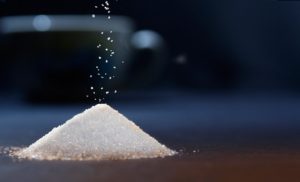
    sugar-1514247_1920As their name denotes, carbohydrates are carbon, oxygen, and hydrogen. When we eat carbohydrates, the body breaks them down into glucose for energy for the body and brain. Glucose is stored as glycogen in muscle tissue and in the liver. Excess glycogen is converted to fat for storage. The more muscle you have, the more glycogen you can store, lessening the amount that will be converted to fat. At rest, the body is using mostly fat for energy. The harder you work, the greater the proportion of carbohydrates used for energy. When you work anaerobically, about 85% of maximum heart rate and above, (lifting heavy weights for 1-5 repetitions per set, HIIT, and sprints) you are burning mostly carbohydrates for fuel.


    Simple vs. Complex Carbohydrates:

    Simple sugar are monosaccharides and disaccharides.

    • Monosaccharides:
      • Glucose (the form the body uses for energy), fructose, galactose (milk), dextrose
    • Disaccharides:
      • honey (fructose and glucose), lactose (milk), maltose, sucrose (table sugar: 50/50 fructose and glucose)

    Complex carbohydrates are polysaccharides found in grains, starchy vegetables, fruit, nuts, and seeds. These provide two types of fiber:

    • Insoluble fiber (roughage): helps with regularity, found in the in the peel of fruit and vegetables such as apples, grapes, and cucumbers, and also in vegetables like cabbage and lettuce
    • Soluble fiber: helps lower LDL (“bad” cholesterol), promotes heart health, found in grains, vegetables, fruit, beans, legumes, nuts, and seeds


    A closer look at fructose:

    Fructose is found in fruit, honey, table sugar, and High Fructose Corn Syrup, which is 55% fructose (or higher) and 45% glucose. Fructose must be converted to glucose by the liver. Consume too much fructose and the liver gets overloaded. This isn’t a concern if you’re eating fruit. The problem lies in the high concentration of fructose in High Fructose Corn Syrup. You’d have to eat 5 bananas or 9 cups of strawberries or 3 apples to get the same amount of fructose in one 20oz soda!

    When the liver gets overloaded, it will convert fructose directly to fat and send it into the blood stream as triglycerides. A diet high in HFCS from processed foods, sugary drinks, and soda leads to increased risk for gout, obesity, heart disease, non-alcoholic fatty liver disease, insulin resistance, elevated blood triglycerides, elevated LDL (“bad” cholesterol), and pre-diabetes (1, 2, 3, 4, 5, 6).


    Carbohydrates and weight-loss goals:

    When you eat high-glycemic foods, your blood glucose level (blood sugar) rises and your body releases insulin. The hormone insulin promotes storage by transporting sugar out of the blood and into the cells. This is a good thing: High levels of blood glucose can be life-threatening, which is why diabetics take insulin.  A side effect of insulin therapy, however, is weight-gain because of the fact that insulin promotes storage.

    If you do not have diabetes and want to lose weight, it’s important to manage hormones and blood sugar. Avoid the blood sugar spike that causes a bigger insulin release by eating whole fruit rather than drinking sugary drinks and fruit juice. Always eat fruit with lower glycemic fats and protein, for example, an apple with almond butter. If you avoid the blood sugar spike, you will also avoid the subsequent crash that leads to cravings and overeating.

    An additional benefit of eating a healthy diet low in processed in foods and high in fiber is a healthy gut microbiome. Researchers have found links to healthy gut bacteria and healthy bodyweight (7).


    How much?

    The brain, unlike the rest of the body, cannot use fat for energy. The brain and neurons (nerve cells) need glucose from carbohydrates for fuel. The RDA, Recommended Daily Allowance, for carbohydrates is 130g/day. This is based on the amount needed to fuel the brain and does not account for the carbohydrates needed to supply energy for activity and exercise. Do your workouts support the amount of carbohydrates you’re taking in daily?

    The World Health Organization recommends no more than 10% of total calories from ALL sugar (natural and added). For a 2000 calorie diet, that would be no more than 200 kcals (50g or 12 tsp) from sugar. The average American currently eats 94g or 22.5 tsp of sugar daily! Are you eating too much sugar?

    The American Heart Associates recommends 23-30g of fiber each day. Currently, American adults are getting about 15g/day. Are you getting enough fiber everyday from vegetables, nuts, seeds, beans, and whole grains?


    If all this seems overwhelming, I can help. Email me to schedule a free 15 consultation to see how Nutrition Coaching, Programing, or Wellness Coaching can help you reach your goals.


    Alicia Cross is a Certified Personal Trainer, Wellness Coach, and Yoga Instructor with more than 15 years’ experience working with clients in classes and one-on-one.  She is a yogi, meditator, vegan, and lifter of heavy things. If you’re ready to discover the strength and peace that comes from within, email https://aliciacrosstraining.com/wind-creek-bethlehem-online-casino/.


    Related Posts:

    Fix Your Nutrition in 10 Steps

    Sneak Veggies into Your Smoothies with These 5 Recipes

    8 Ways to Get More Plant-Based Protein


  • Protein 101

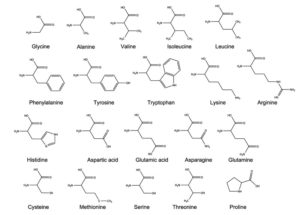
    Chemical Formulas of the 20 Amino Acids
    Chemical Formulas of the 20 Amino Acids

    Proteins are amino acids joined by peptide bonds. Proteins are in all living organisms; plant and animal. In animals, including humans, protein is found in all cells, plasma, hemoglobin, and in enzymes, and hormones. It’s responsible for growth, repair, maintenance of tissue, pH balance, and 5-10% of the body’s energy needs. Examples of protein are keratin in the skin and collagen in connective tissue.


    Amino Acids:

    There are over 20 amino acids, 9 of which are essential. Essential means they must be obtained through diet because the body does not make them:

    1. Tryptophan
    2. Methionine
    3. Valine*
    4. Threonine
    5. Phenylalanine
    6. Leucine*
    7. Isoleucine*
    8. Lysine
    9. Histidine (infants)

    There are also conditionally essential amino acids. Theses are usually non-essential (made by the body) except in times of illness and stress when they must be obtained through diet:

    1. Arginine
    2. Cysteine
    3. Glutamine
    4. Tyrosine
    5. Glycine
    6. Ornithine
    7. Proline
    8. Serine


    *Branch Chain Amino Acids or BCAA’s:

    The structure of Valine, Leucine, and Isoleucine differs from that of other amino acids. Their structure allows them to be used as energy by the body.  This is why many people supplement with BCAA’s pre-workout and/or during a workout.


    Creatine:

    Creatine is not an amino acid, but it is naturally made from two of the conditionally essential amino acids; Glycine and Arginine. Creatine helps muscles produce more ATP (energy for work). This helps you get a couple more repetitions or sprint a little longer. It gives you the energy to get a little more work done in every session. That adds up if you are training consistently.  When I supplemented with creatine, I started PR’ing again (setting personal records) for the first time in two years. Added bonus: Studies show creatine supplementation can help prevent age-relate disease such as Parkinson’s, Huntington’s, and Alzheimer’s diseases.


    Protein for Weight-loss Goals:

    Protein is important for weight-loss goals because of its Thermic Effect (the amount of calories you burn digesting, breaking down, absorbing, and storing). Protein has a higher Thermic Effect than carbohydrates, fat, and alcohol. Protein has 4 kcal/g and a Thermic effect of 20-35%. While carbohydrates (4 kcal/g) and fat (9 kcal/g), on the other hand, have a Thermic Effect of only 5-15%.  And alcohol (7 kcal/g) has a Thermic Effect of just 5%. What do all these numbers mean? 30g of protein has a net effect of 78-96 kcal, 30g of carbohydrates has a net effect of 102-114 kcal, and 30g of fat has a net effect of 229-256 kcal. There’s obviously more to the story (like micronutrients and hormonal effects), but a calorie is not a calorie.

    Beware that excess amino acids are not stored as protein, they are instead converted to fat or glycogen for storage.


    How much protein do you need?

    The RDA or Recommended Daily Allowance is the average daily level of intake sufficient to meet the nutrient requirements of nearly all healthy people. These levels where originally set in the 1940’s and were last updated in 1980. The RDA for protein is .8g/kg of body weight or 54g of protein for 150lb person.

    Some more recent recommendations for athletes have included:

    • 1.6-2g/kg or .73-.91g/lb. 109-136g for 150lb person.
    • 2 to 1.4 g/kg for endurance athletes. 81-95g for 150lb person.
    • 2 to 1.7 g/kg for strength and power athletes. 81-115g for 150lb person.
    • Other recommendations are as high as 2g/kg. 138g for 150lb person.

    When determining my clients’ daily protein needs for weight loss goals, I consider their level of activity, the type of exercise they engage in regularly, and also their body composition (body fat percentage). Most clients are not getting enough protein. Adding more protein is one step that can make noticeable difference.


    Are you hitting your goals at the gym? Are you seeing the results you want on the scale and reflected back at you in the mirror? If not, get the accountability and support you need with Nutrition Coaching.


    Alicia Cross is a Certified Personal Trainer, Wellness Coach, and Yoga Instructor with more than 15 years’ experience working with clients in classes and one-on-one.  She is a yogi, meditator, vegan, and lifter of heavy things. If you’re ready to discover the strength and peace that comes from within, email https://aliciacrosstraining.com/wind-creek-bethlehem-online-casino/.


    Related Posts:

    Fix Your Nutrition in 10 Steps

    8 Ways to Get More Plant-Based Protein